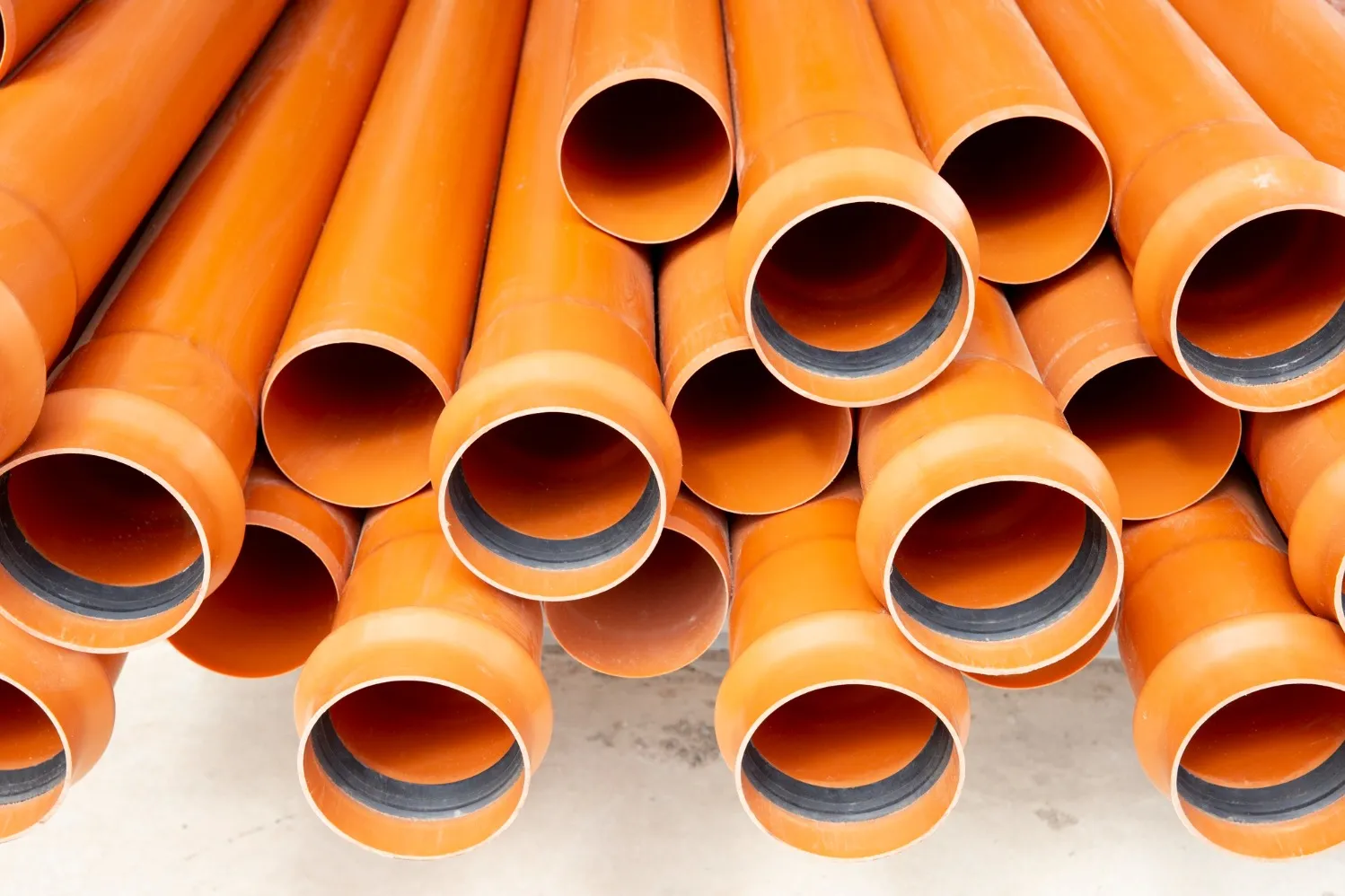
Large residential, commercial, institutional, and infrastructure developments can require substantial quantities of drainage piping. Choosing an SWR Drainage Pipe Manufacturer in Nagpur for such projects should therefore involve both technical evaluation and supply planning.
A manufacturer may offer the required pipe category, but the buyer still needs to determine whether the product range and delivery capability match the project.
Begin With Approved Project Requirements
Procurement should follow the drainage design rather than precede it.
Use approved drawings or material schedules to identify pipe diameters, approximate quantities, fitting requirements, and installation phases.
This reduces the possibility of purchasing excess material or missing important sizes.
Consolidate the Bill of Quantities
Large projects benefit from an organized BOQ.
Separate requirements by:
- Pipe diameter
- Quantity
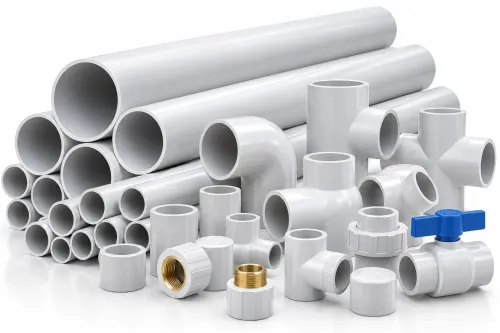
- Fitting type
- Building or project section
- Required delivery stage
A structured BOQ also makes quotation comparisons more accurate.
Evaluate Batch and Supply Requirements
When large quantities are involved, ask how supply will be planned. The entire requirement may not need to arrive simultaneously.
Phased delivery can help contractors manage storage space and align procurement with actual installation progress.
Look at Total Procurement Value
Initial material price is important, but it is not the only cost consideration.
Delays, incompatible materials, incorrect quantities, fragmented purchasing, and repeated transportation can all affect overall project expenditure.
For this reason, contractors should evaluate the complete supply arrangement.
Check Coordination Capability
Project requirements sometimes change because of revised drawings, site conditions, or construction sequencing. Effective communication between procurement teams and the supplier helps these changes get managed efficiently.
Geeta Plasticwood Industries works with piping requirements for drainage and other applications from Nagpur. Project buyers can discuss quantities, required sizes, intended application, and supply schedules when evaluating manufacturing options.
Know When You Are Ready to Order
A project is generally better prepared for procurement when:
- Drainage layouts are finalized.
- Required diameters have been confirmed.
- Pipe quantities have been calculated.
- Fittings are included in the requirement.
- Delivery phases are identified.
- Site storage arrangements are available.
Ordering before these points are clear can create avoidable revisions.
For projects across Nagpur and Maharashtra, manufacturer selection should support both technical suitability and practical execution. A well-organized requirement gives the buyer a stronger basis for comparing options and helps the selected manufacturer plan production and dispatch more effectively.
Keywords