Water lines in Betul must handle shifting soil, road crossings, agricultural conditions, pump pressure and long maintenance intervals. By the end, you will know where HDPE fits, how to size it, which documents to request, and when PVC, UPVC, GI or LDPE may be a better choice.
Key takeaways
- Use compacted embedment to manage settlement around buried HDPE pipe.
- Compare HDPE with PVC, ductile iron and concrete for the site conditions.
- Match diameter, SDR and pressure class to flow, pressure and installation loads.
- Request fusion records, pressure ratings, test certificates and traceable batch details.
Why HDPE Handles Betul’s Buried Water Conditions
HDPE suits buried water projects around Betul because its flexibility, impact resistance and corrosion resistance help it tolerate handling, ground movement and demanding soil conditions. It is not a rigid beam: moderate settlement is managed through interaction with properly compacted embedment, not by the pipe alone.
Its smooth internal wall creates low friction losses, but flow still depends on actual internal diameter, fittings, bends, tees, valves and reducers. HDPE also resists galvanic corrosion and many naturally occurring soils and waters. Check chemical compatibility before exposure to concentrated oxidants, hydrocarbons or high temperatures.
For anyone assessing “hdpe pipe for benefits betul,” the installation details decide whether those benefits survive underground. Confirm these points before approval:
- Use selected embedment and compacted backfill; remove sharp stones, prevent voids and support trench shoulders to avoid point loading.
- Protect the pipe from rocks during placement, and follow the manufacturer’s minimum bend radius. Forcing a tight bend can cause kinking or excessive wall stress.
- Treat HDPE pipe for water projects as a pressure system: pump starts, rapid valve closure and check-valve slam can still create water hammer.
- Use surge analysis and controls such as controlled pump ramping, slow-closing valves, air-release arrangements or surge vessels where the system requires them.
- Verify the operating temperature and chemical exposure against compound compatibility data, rather than assuming corrosion resistance is universal.
HDPE’s lower stiffness can reduce pressure-wave speed compared with metal, but it does not eliminate transient pressure.
Where HDPE Works—and How It Compares with Other Pipe Materials
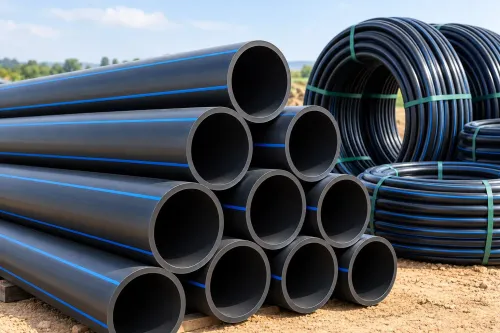
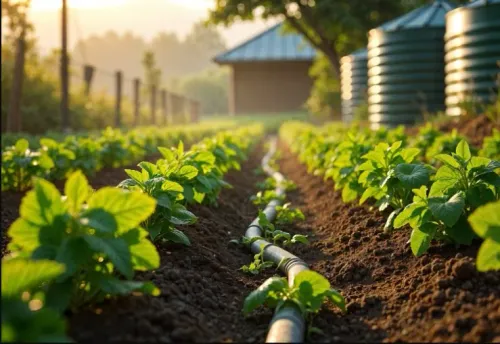
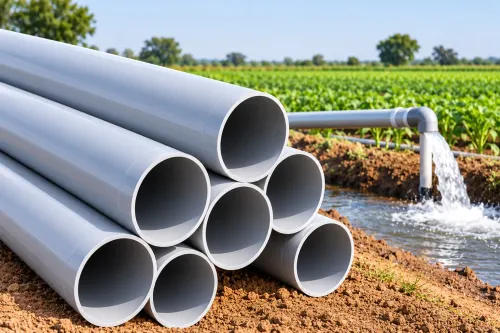
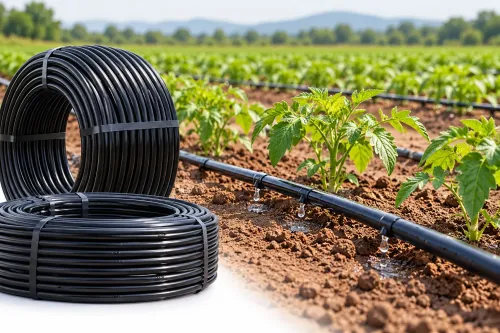
Rural water-supply mains, agricultural irrigation mains, borewell delivery lines and buried service connections are strong hdpe pipe applications in Betul. Long straight lengths and coiled smaller sizes reduce field joints across road crossings, drainage crossings and long routes.
HDPE also suits temporary networks that may be relocated and permanent utility networks, provided the pipe is pressure-rated for the duty.
| Material | Stiffness and pressure duty | Jointing, access and maintenance |
|---|---|---|
| HDPE | More flexible than PVC or UPVC; strong pressure performance when the SDR and class are correct | Butt or electrofusion needs equipment, trained operators and cooling space; fewer joints reduce leak points, but embedment and specialist fittings add initial work |
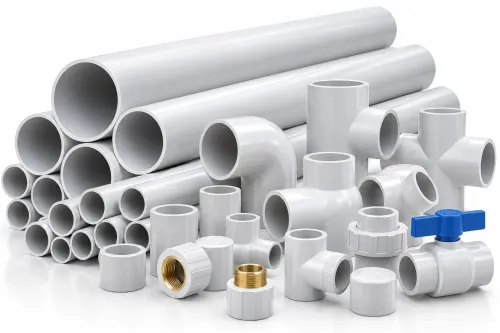
| PVC or UPVC | Stiffer and less tolerant of ground movement; pressure capacity depends on wall class | Solvent or gasketed joints simplify small repairs and restricted access; more joints can increase failure locations |
| GI | Rigid, heavy and vulnerable to corrosion in aggressive soil or water | Threaded or flanged connections need space, supports and handling; corrosion raises maintenance exposure |
| LDPE | More flexible but intended for lower pressure duty than HDPE | Useful for irrigation laterals and small flexible connections, not a substitute for a pressure main without verification |
For an hdpe pipe betul procurement, compare total installed cost, not pipe price alone. Fusion equipment, selected embedment and fittings increase setup effort, while reduced corrosion and joint count can lower maintenance. Separate potable pressure mains from gravity drainage, conduit and non-potable lines; irrigation products are not automatically drinking-water compliant.
How to Select Diameter, SDR and Pressure Class
Do not choose 110 mm by habit: size HDPE pipe from required flow, route length, elevation difference, pump discharge pressure, static head, surge pressure and allowable pressure loss. Calculate actual internal diameter as outside diameter minus twice the wall thickness, then add losses from bends, tees, valves and reducers.
A nominal size alone cannot select a pump or guarantee flow.
SDR means outside diameter divided by minimum wall thickness. Two 110 mm pipes with different SDRs have different wall thicknesses and pressure capacity. PE 80 identifies material strength, not complete suitability; confirm wall thickness, SDR, pressure class, design coefficient, operating temperature and intended service life.
Derate the pressure rating when sustained temperature exceeds the rating reference temperature, especially on exposed irrigation lines, dark pipe in direct sun or warm-water systems. A 20°C pressure table cannot justify a hotter installation.
| Duty | Hydraulic check | Selection focus |
|---|---|---|
| Irrigation | Flow, filtration, pump transients | Pressure class and surge margin |
| Rising main | Static head, pump discharge, surge | Rated pressure plus fittings |
| Gravity drainage | Slope, fill depth, external load | Capacity and ring stiffness |
Use IS 4984 or ISO 4427 for water-pressure applications, not a conduit or drainage product. A search for hdpe pipe manufacturer betul is only a starting point; request the exact PE grade, SDR and pressure class.
How Fusion Jointing and Trench Work Prevent Leaks
Leak resistance comes from a controlled fusion cycle, not from HDPE alone. Butt fusion aligns prepared pipe ends, scrapes and cleans the faces, heats them at the procedure’s specified temperature, applies joining pressure, and holds the joint still through cooling.
| Method | Jointing method | Best use |
|---|---|---|
| Butt fusion | A calibrated machine joins two prepared pipe ends after heating | Long, accessible straight runs |
| Electrofusion | An electrically heated fitting melts the pipe and fitting surfaces together | Constrained, repaired or difficult-access locations |
Require a qualified operator, calibrated equipment, approved heater temperature and joining pressure, specified cooling time, bead inspection and a fusion record for every joint. Wet or contaminated faces, poor alignment, movement during cooling and incompatible PE grades create weak joints; an attractive bead does not prove a sound fusion.
Mechanical couplers can add gasketed leak points, internal restrictions and maintenance locations. For HDPE pipe applications involving long runs, coils reduce field joints, but account for coil memory, transport access, safe lifting radius and the manufacturer’s minimum bend radius.
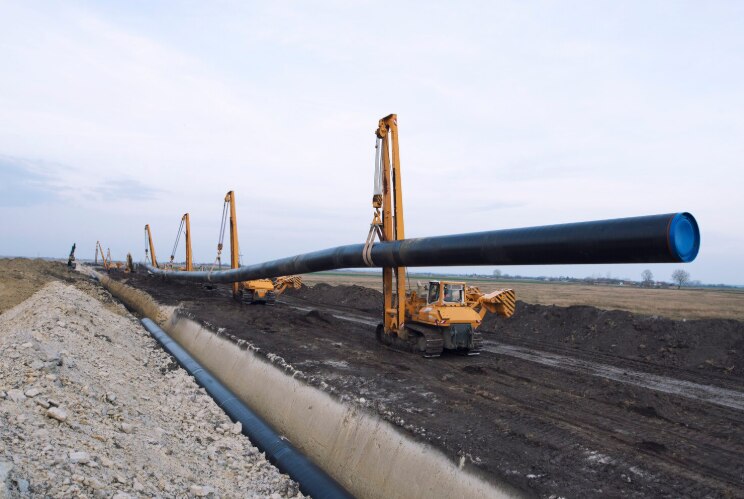
Prepare the trench and selected backfill to prevent point loading. Remove rocks, fill voids and compact shoulders evenly; otherwise settlement can bend the pipe locally and overload a joint.
- Keep pipe supported during handling and cooling.
- Use hydrostatic or pressure testing after installation.
- Record test pressure, duration, section limits and any leakage investigation.
What to Request from an HDPE Pipe Manufacturer in Betul
Approve an HDPE supplier only after the proposed pipe matches the project’s hydraulic duty, installation method and documentation—not merely the label “HDPE pipe.” Ask the hdpe pipe manufacturer betul to state the nominal outside diameter, wall thickness, SDR, PE grade such as PE 80, pressure rating, permitted working pressure and operating-temperature basis.
- Pipe marking: diameter, SDR, PE grade, pressure class, applicable standard and manufacturer identification
- Standard: IS 4984 for polyethylene pipes for water supply, or ISO 4427 for water-supply and pressurised sewerage systems
- Traceability: batch or lot number, PE compound designation and compound traceability
- Records: manufacturer’s test certificate and dimensional inspection record
- Installation documents: fusion procedure, machine and cooling requirements, and field hydrostatic or pressure-test method
- Drinking-water approval: potable-contact approval with supporting documentation; polyethylene alone does not prove drinking-water suitability
| Document or specification | Check before approval | Failure prevented |
|---|---|---|
| Outside diameter, wall thickness and SDR | Confirm SDR equals outside diameter divided by minimum wall thickness | Wrong pressure capacity |
| Pressure rating and permitted working pressure | Check pump pressure, surge and temperature derating | Overstressed pipe |
| Pipe marking and batch or lot number | Match delivered coils or lengths to records | Untraceable material |
| Fusion and field-test method | Require written procedure and acceptance criteria | Leaks hidden by a factory certificate |
Geeta Plasticwood Industries should clarify before quotation whether its proposed hdpe pipe betul product fits the duty, standard, records and joining method required for the Betul project. Ask for this confirmation in writing.
Related product
 | HDPE PIPE Product Details: Size/Diameter 110 mm Material Grade PE 80 Brand Geeta Plastic Country of Origin Made in India Keeping in mind the current market... View product → |
Frequently asked questions
Why is HDPE suitable for buried water projects in Betul?
HDPE combines flexibility, impact resistance and corrosion resistance, helping it tolerate handling, ground movement and demanding soil conditions when installed with properly compacted embedment.
Where can HDPE pipe be used, and how does it compare with other materials?
HDPE works for buried water supply, irrigation, drainage and utility applications. Compare it with PVC, ductile iron and concrete based on flexibility, corrosion exposure, jointing, load conditions and project access.
How do you select HDPE pipe diameter, SDR and pressure class?
Select diameter from required flow and allowable velocity, then check operating and surge pressure against the pipe’s pressure class. Use SDR—the outside-diameter-to-wall-thickness ratio—to compare wall thickness and pressure capability.
How do fusion jointing and trench work prevent HDPE leaks?
Clean, align and heat-fuse compatible pipe ends using controlled temperature, pressure and cooling time. Prepare a stable trench, place suitable embedment and compact it in layers to support the pipe.
What should you request from an HDPE pipe manufacturer in Betul?
Request the pipe standard, grade, outside diameter, SDR, pressure rating, batch traceability, dimensional test results, raw-material details, fusion guidance and quality documents for the supplied lot.
Keywords