A farm pipe order succeeds only when the supplier receives the right hydraulic and delivery information before production begins. By the end, you will know what to specify, how pipe type and fittings affect the shipment, how a Wardha-area order moves from factory to field, and how to check the delivery before installation.
Key takeaways
- Share flow rate, pressure, route length and delivery access before requesting a quote.
- Match diameter, wall thickness and pressure class to the pump and irrigation layout.
- Inspect pipe markings, ends, fittings and quantity before signing for delivery.
- Flush, pressure-test and check every joint before putting the farm line into service.
What to Tell the Manufacturer Before You Request a Quote
A quote is ready only when the manufacturer knows the farm’s hydraulic duty, route and delivery conditions. “Agricultural pipe” is not a pressure specification: the same nominal diameter can have different wall thicknesses and pressure classes. Give an agricultural pipe supplier wardha the following before pricing:
- Water source and destination, including source level, discharge point, elevation difference and total pipeline length
- Pump discharge, operating pressure and shut-off pressure, plus the number of outlets running at one time
- Farm area, required flow, irrigation method, outlet locations and delivery deadline
- Whether each section is suction, delivery, mainline, submain or field lateral
- Soil, vehicle-loading and trench conditions for buried lines, along with exposure to heat or direct sunlight
- Required fittings, valves, filters, pressure regulators, flushing points, loading, unloading and final site movement
| Line section | Confirm before selecting pipe | What goes wrong if omitted |
|---|---|---|
| Suction line | Pump intake size, lift, suction length and foot-valve arrangement | Air leaks or excessive suction loss can starve the pump |
| Mainline or delivery | Pump pressure, shut-off pressure, elevation and simultaneous flow | Underrated pipe can leak, burst or waste energy |
| Drip or sprinkler submain | Filter rating, regulator setting, flushing point and outlet count | Sediment, algae or fertilizer deposits cause uneven application |
| Field lateral | Emitter or sprinkler spacing, operating pressure and row length | End outlets receive too little water |
For agricultural pipes wardha procurement, request the standard, nominal size, pressure class or wall series, batch details and quantity. Compare delivered cost—not only metre rate—including freight, taxes, fittings and breakage allowance.
How to Match Pipe Size and Material to the Water System
1. Record the source type, water quality, pump discharge, pump shut-off pressure, pipeline length and elevation change. A rising route adds static head; muddy, sandy or chemically aggressive water also affects filtration and material selection. Separate suction, delivery, mainline, submain and field-lateral sections.
2. Size diameter from required flow, not the pump outlet size. Calculate the flow needed at simultaneous sprinklers, valves or drip zones, then check friction loss over the route and the pump’s total dynamic head. An undersized line loses pressure and delivers uneven irrigation; an oversized line costs more without improving application.
3. Select pressure class from the highest pressure the line can experience, including pump shut-off pressure, static head, water hammer and surge. The word “agricultural” does not define wall thickness. For a purchase described as agriculture PVC pipes Wardha, confirm the standard, nominal size, wall series or pressure class, and intended irrigation service.
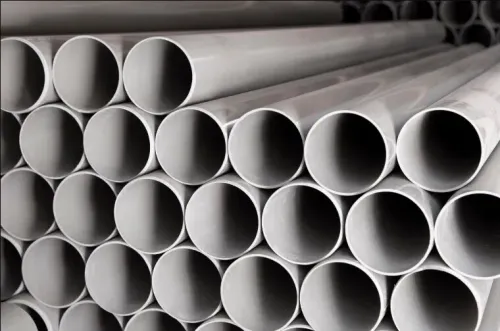
IS 4985 covers unplasticized PVC pipes for specified water applications; polyethylene water-supply products are covered by IS 4984.
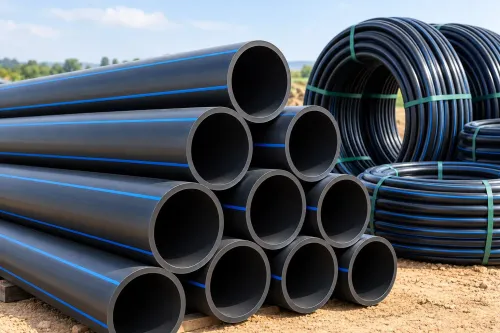
4. Use rigid PVC or UPVC for stable buried or above-ground mains, HDPE where bends, ground movement or repeated handling favour flexibility, and LDPE for low-pressure field laterals. Drip systems still need filtration, pressure regulation and flushing; sediment, algae and fertilizer deposits can clog emitters.
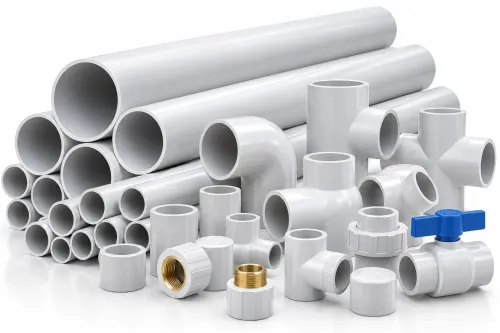
5. Put the sizing basis on the order: outside diameter or nominal bore, wall thickness, joint type and standard. Confirm that fittings match the same sizing system. A farm water pipe Wardha order should also include valves, gauges, air-release valves, end caps, thrust restraints and repair couplers.
How a Wardha Order Moves from Production to the Farm
The Wardha order starts with a written specification, not a pipe size alone. The buyer and an agricultural pipe manufacturer for Wardha record the source, pump discharge and shut-off pressure, elevation difference, required flow, line length, irrigation method, outlet points, delivery date, and whether the line is suction, delivery, mainline, submain or lateral.
The quotation must separate pipe, fittings, taxes, freight, loading, unloading and any second local movement.
- Confirm the material, nominal diameter, wall thickness or pressure class, length, quantity and applicable standard. For PVC, check whether IS 4985 fits the intended service; for polyethylene, check IS 4984 and the stated dimensions.
- Approve the quotation and purchase order. Ask for the promised production date, batch identification, packing method, transport responsibility and breakage allowance.
- The factory schedules production, checks dimensions and pressure-related markings, then packs pipes, fittings and joints by size. Geeta Plasticwood Industries, for example, can use the confirmed specification to prevent a nominal diameter from being treated as the complete order.
- Before dispatch, compare the bundle marking and invoice with the purchase order: brand, standard, nominal size, pressure class or wall series, batch or lot, and quantity.
- Confirm whether the truck can reach the farm. Record road width, turning space, unloading surface, labour, lifting equipment and the roadhead location.
- Dispatch the consignment with delivery documents and contact details for the driver and receiver.
- At delivery, count bundles and inspect for crushed ends, splits or mixed sizes before signing. Photograph damage and note it on the delivery receipt.
A farm may need roadhead unloading followed by a second movement. Include that cost when comparing an agricultural pipe supplier Wardha, rather than choosing on factory-gate price alone.
Related products
 | Agricultural Pipes Product Details: Brand as per requirement Size/Diameter as per requirement Length of Pipe as per requirement Thickness as per requirement Material as... View product → |
 | 8 Inch Agricultural PVC Pipe 8 Inch Agricultural PVC Pipe is a strong, lightweight, and corrosion-resistant piping solution designed for efficient water flow in irrigation and... View product → |
What to Check When the Pipe Shipment Arrives
Do not sign for the load until you compare it with the purchase order and delivery note. For agricultural pipes in Wardha, check the manufacturer marking, standard designation, nominal diameter, pressure class or wall series, batch number, and quantity. A visual check alone will not reveal a mixed-size bundle or incorrect wall thickness.
Use this arrival procedure:
- Photograph damaged wrapping, crushed pipe ends, deep scratches, oval sections, cracks, discolouration, and missing fittings before unloading. Count pipes, bends, tees, reducers, unions, valves, end caps, air-release valves, gauges, repair couplers, clamps, and thrust restraints against the bill of materials.
- Unload with slings or suitable wide supports. Do not drag lengths across gravel, drop bundles from a truck, or push forks into pipe walls; impact damage can create a leak after burial.
- Stack pipes on level timber supports away from stones, standing water, fuel, solvents, and direct heat. Keep bundles restrained, cap open ends, and store fittings in labelled, covered containers. Do not place heavy equipment on flexible pipe coils.
- Before installation, recheck each pipe’s marking and separate pressure classes. Inspect socket and spigot ends, clean dirt from grooves, and protect rubber rings from sunlight, oil, and sharp edges. Keep the farm water pipe from Wardha covered but ventilated, then dry and align joints before applying the specified lubricant or joining method.
How to Test and Commission the Installed Farm Line
A pipe labelled “agricultural” is not automatically safe for the installed duty.
Before testing, confirm the pipe standard, pressure class, fittings and pump shut-off pressure match the design; IS 4985 and IS 4984 cover different product types, so do not treat a search term such as agriculture pvc pipes wardha or farm water pipe wardha as a technical specification.
1. Divide the network into test sections and isolate each section with valves or caps. Inspect exposed joints, bends, tees, valves and anchors, checking that buried pipe has proper bedding and no fitting is carrying unsupported load.
2. Wait until solvent-cement joints have reached the manufacturer’s required cure time and restrained joints are secure. Fill the section slowly with clean water, open high-point vents to remove trapped air, then close the vents.
3. Use a calibrated pressure gauge and hydrostatic testing, not compressed-air testing. Raise pressure to the project or manufacturer-specified test pressure, never above the lowest-rated component, and inspect every accessible joint for seepage, movement or distortion.
4. Hold and record the specified pressure for the specified period. A pressure loss, wet soil over a buried joint or visible leak requires depressurising, repair and a complete retest; do not conceal the fault.
5. Flush the line through end outlets until water runs clear, then clean the filter and check the pressure regulator. Run the pump and irrigation zones, measure pressure at the inlet and farthest outlet, confirm sprinklers or emitters operate uniformly, and record gauge readings, repairs and the commissioning date.
Frequently asked questions
What information should you give an agricultural pipe manufacturer before requesting a quote?
Give the manufacturer your required flow rate, operating pressure, pipe route length, elevation changes, connection sizes, intended use and farm delivery conditions. Also describe the pump, water source, fittings and access for unloading.
How do you match pipe size and material to a farm water system?
Select diameter from the required flow rate and acceptable friction loss, then select wall thickness and pressure class from the pump pressure, static head and surge risk. Compare PVC, uPVC, HDPE and LDPE with the line’s buried, exposed, flexible or temporary use.
How does an agricultural pipe order move from a Wardha manufacturer to a farm?
The process runs from technical specification and quotation to order confirmation, production, inspection, packing, transport planning, unloading and delivery. Confirm lengths, fittings, documents, vehicle access and unloading responsibility before dispatch.
What should you check when agricultural pipes arrive at the farm?
Count pipes and fittings, check outside markings and dimensions, inspect for cracks, distortion, damaged ends and contamination, and compare the delivery with the purchase order. Record shortages or damage on the delivery receipt before accepting the shipment.
How do you test and commission an installed farm water line?
Anchor the line, flush debris, inspect joints and fill it slowly to remove trapped air. Isolate the section, pressure-test it with calibrated equipment at the specified test pressure, check for leaks and confirm flow at the outlets before regular operation.
Related products
 | 3 Inch Agricultural PVC Pipe 3 Inch Agricultural PVC Pipe is a lightweight, durable, and corrosion-resistant piping solution ideal for irrigation and water supply in farming. View product → |
 | 3.5 Inch Agricultural PVC Pipe 3.5 Inch Agricultural PVC Pipe Usage Agricultural Material PVC Shape Round 3.5 Inch Agricultural PVC Pipe is a lightweight, durable, and corrosion-resistant pipe designed for... View product → |
 | 1 Inch Agricultural PVC Pipe Material PVC Shape Round Usage/Application Agricultural 1 Inch Agricultural PVC Pipe is a lightweight, durable, and corrosion-resistant pipe designed... View product → |
 | Drip Irrigation Pipes Product Details: Pipe Diameter 16 mm Length of Pipe 300m Size/Diameter 16 mm Drip Spacing 15 cm Drip Emitter Outline Material LDPE Keeping in mind... View product → |
Keywords